
Introduction
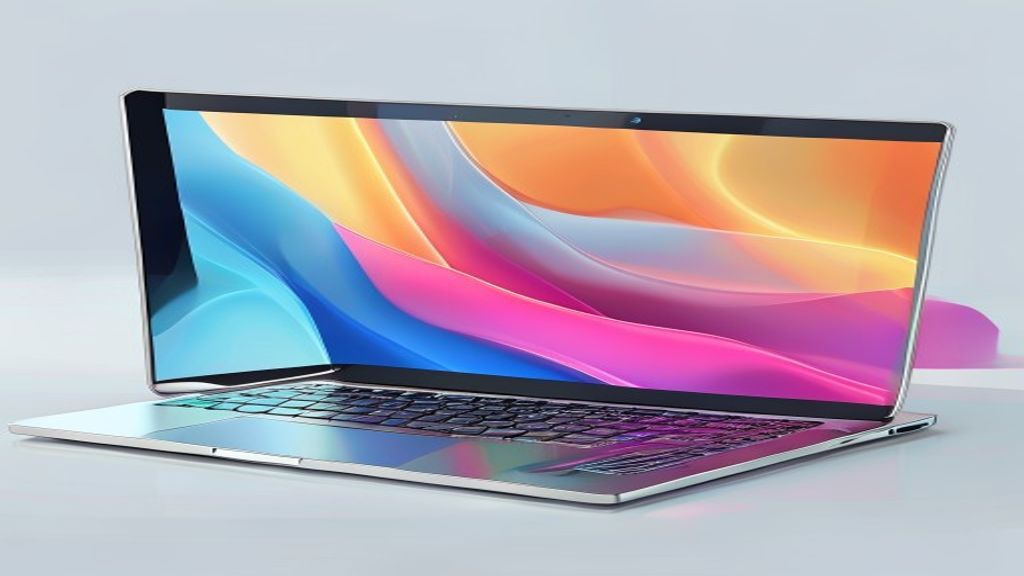
ChromeOS is the operating system developed by Google that has gained popularity thanks to its simplicity, speed and cloud focus. Originally designed to operate on low-cost laptops known as Chromebooks, today it extends to desktop devices, tablets and even some all-in-one.
What is ChromeOS?
ChromeOS is based on the Linux kernel and uses the Chrome browser as the main interface. Most applications run within the browser or as progressive web applications (PWA), which reduces the need for heavy facilities and keeps the system light.
Main characteristics
- Quick start: The system is loaded in a few seconds thanks to its optimized design.
- Automatic updates: Google sends security patches and improvements every six weeks without user intervention.
- Integration with Google Workspace: Docs, Sheets, Slides and Drive are available in a native way and run without connection.
- Guest mode and multiple accounts: each user has its own isolated space, which improves privacy and security.
- Compatibility with Android: by Google Play Store, ChromeOS can run millions of Android applications directly.
- Support for Linux (Crostini): allows you to install development environments and traditional Linux tools.
Advantages of using ChromeOS
One of the greatest advantages is security. Because of its sandboxing-based architecture and the boot verifier, malware is very difficult to affect the system. In addition, low resource consumption allows modest equipment to deliver a fluid performance.
Another advantage is centralized administration for educational and corporate environments. With the Google Admin console, IT can configure policies, deploy applications and manage devices on a scale.
The cost is also attractive: Chromebooks are often cheaper than laptops with Windows or macOS, which facilitates adoption in schools and small businesses.
Limitations to consider
Although ChromeOS has evolved a lot, it still has some limitations. Offline work is possible but depends on applications being designed to run without connection; some specialized tools may lack appropriate PWA or Android versions.
In addition, the compatibility with heavy professional software (such as 4K video editing suites or certain advanced IDEs) remains limited, although the arrival of Linux and the improvement of Android applications are reducing this gap.
For whom is ChromeOS ideal?
ChromeOS is ideal for students, teachers and workers who depend mainly on web applications, e-mail and collaborative tools. It is also useful in points of sale, kiosks and digital signalling devices where a safe and easy-to-maintain system is needed.
Tips to make the most of it
To improve the ChromeOS experience, consider activating the developer mode only if you know what you do, as it can affect safety.
Use the integrated task manager (Shift + Esc) to monitor the memory and CPU use of each tab and application.
Take advantage of the keyboard shortcuts: Ctrl + Alt +? shows the shortcuts map, while Alt + Tab allows to change between windows quickly.
- Synchronize your Android phone with the Smart Unlock function to log in without password when the device is close.
- Set offline storage on Google Drive to access important documents without connection.
- Explore Chrome's web application store to find specialized tools such as photo editors or project managers.
Future of ChromeOS
Google continues to invest in ChromeOS with improvements in Linux support, deeper integration with Android and increased reality functions through the Starline project. The next generation of devices is expected to offer greater processing power, better quality screens and expanded storage options, maintaining the philosophy of simplicity and security.
Conclusion
ChromeOS has proven to be much more than a simple browser in a box. Your combination of speed, safety and low cost makes it a valid option for many users looking for uncomplicated productivity. While it does not replace traditional operating systems in all scenarios, its niche continues to grow and its evolution promises to continue to meet the needs of an increasingly cloud-focused world.

