
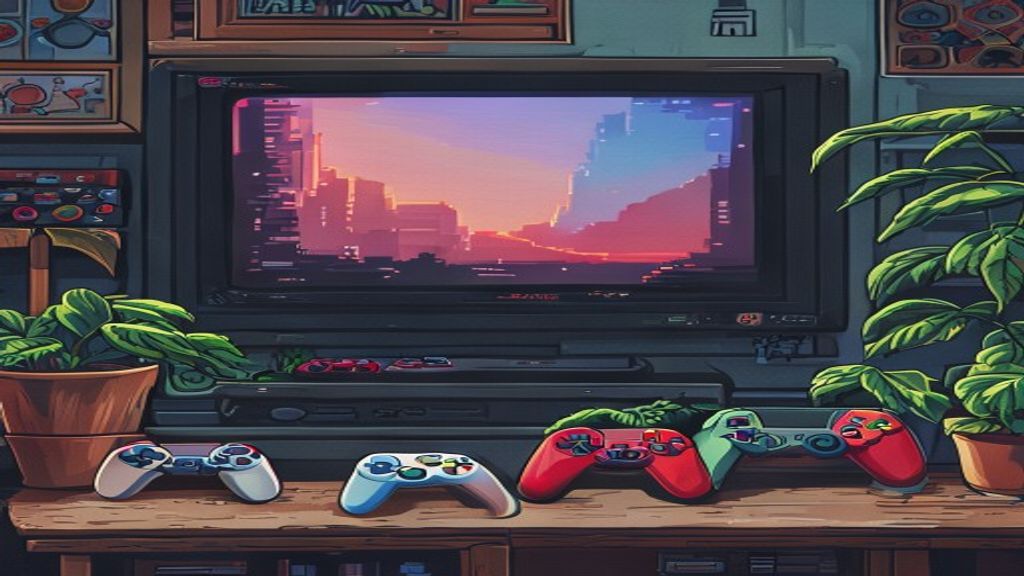
Introduction to RetroPie
RetroPie is a free software project that transforms a Raspberry Pi or another compatible plate into a retro video game station. Your goal is to collect emulators, interfaces and tools in a single easy to install and configure package. With RetroPie you can relive classic consoles such as NES, SNES, Sega Genesis, PlayStation and many more, all from the comfort of your TV or monitor.
What RetroPie is and why use it
RetroPie is not simply an emulator; it is a Raspbian-based distribution that includes EmulationStation as front, along with Libretro cores and other independent emulators. The main advantage is simplicity: a single SD image contains everything you need to start playing. In addition, the active community provides frequent updates, custom themes and support for a wide range of hardware, from the Raspberry Pi Zero to high-power models like the Pi 4.
Hardware requirements
For a smooth experience it is recommended to use a Raspberry Pi 3B + or higher, although the Pi Zero W can run less demanding systems like NES or Game Boy. You will need a microSD card of at least 8 GB (16 GB or more is ideal for storing several ROMs), a 5V power supply and sufficient amperage (2.5A for Pi 3B +, 3A for Pi 4), an HDMI cable and a compatible control (Bluetooth, USB or GPIO). Optionally you can add a heat dissipator and a ventilation box.
Download and install the image
Visit the official RetroPie site and download the image corresponding to your Raspberry Pi model. After downloading the .gz file, unbuy it to get the .img. file. It uses a tool like BalenaEtcher, Raspberry Pi Imager or Win32 Disk Imager to record the image on the microSD card. Insert the card into the Pi, connect the power and wait for the system to boot; the RetroPie configuration wizard will appear.
Initial configuration and system settings
In the first start, RetroPie will guide you to configure the language, time zone and keyboard type. Then any connected control will be automatically detected; follow the instructions to assign each button. Once completed, you will access the main menu of EmulationStation. From there you can access the RetroPie Setup option to adjust the overclock, activate the SSH, change the theme or update the installed packages.
Control mapping and control configuration
RetroPie supports a wide variety of controls: USB classics, Bluetooth classics such as PS3, PS4, Xbox One and Switch, as well as GPIO interfaces for arcade buttons. In the input configuration menu you can define the device mapping or create custom profiles. If you use a wireless control, make sure you match it before you launch a game and check that latency is acceptable; in some cases it may be necessary to adjust the polling rate by using the backarch configuration file.
Add games and ROMs management
To load games, place the ROMs in the corresponding folders within the RetroPie partition, accessible via Samba network or through a card reader. The typical routes are / home / pi / RetroPie / roms /
Legality and best practices
Remember that downloading or distributing ROMs of games you don't own is illegal in most jurisdictions. Just copy games from which you have the original cartridge or which you have legally acquired in digital format. RetroPie includes tools to back up your own cartridges using devices such as Retrode or SD card readers. In addition, keep your system up to date to benefit from safety patches and performance improvements.
Tricks, community and additional resources
Explore the official RetroPie forums, the subreddit r / RetroPie and Discord to get help, share themes and discover new nuclei. You can customize the appearance with EmulationStation themes, activate shakers to improve the image or use Kodi mode to turn your Pi into a multimedia center. Other useful tricks include moderate overlock, use of USB drives to store ROMs and configure the automatic boot when turning on the plate.

