
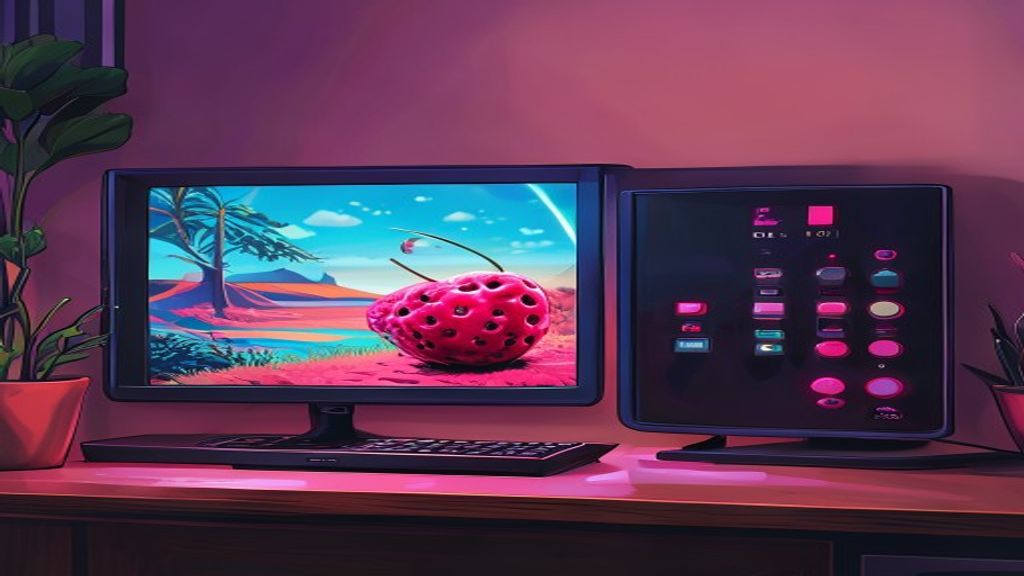
Introduction to Recalbox
Recalbox is a Debian-based Linux distribution specifically designed to transform devices such as the Raspberry Pi, Odroid or PC into a powerful retro video game console. Its main objective is to offer a simple and accessible game experience, allowing users to relive classic arcade, domestic and portable consoles without the need for advanced programming knowledge. Thanks to its intuitive interface and its wide emulator support, Recalbox has become one of the most popular options among the retrogaming fans.
What is Recalbox?
Unlike other solutions that require manually compiling each emulator, Recalbox includes a preconfigured collection of Libretro nuclei, which are the engines behind emulators such as MAME, SNES, Genesis, PlayStation and many more. This means that, after installation, the user only needs to connect their controls, load the ROMs and start playing. In addition, the distribution incorporates file management tools, scrapers to obtain covers and metadata, and customization options for themes and shakers.
History and development
The Recalbox project was born in 2014 as an initiative of the free software community to offer a ready alternative to use to retrogaming enthusiasts. Since then, it has gone through several larger versions, each improving performance, adding support for new hardware and tuning the user interface. The current version, Recalbox 8, introduced significant improvements in system stability, updated the Libretro cores to their latest versions and added compatibility with 4K screens and latest-generation Bluetooth drivers.
Main characteristics
- EmulationStation-based interface, fully navigable with control or keyboard.
- More than 50 integrated Libretro nuclei, couvrant consoles from Atari 2600 to Nintendo Switch (experimental).
- Support for games in ZIP format, 7z and ISO files without uncompressing.
- Integrated scraper that download covers, synopsis and game data from sources like TheGamesDB and ScreenScraper.
- Possibility to save states, go back and use fast advance functions.
- Compatibility with USB, Bluetooth and GPIO controls of the Raspberry Pi.
- Overlock and performance adjustment options using the recalbox.conf. configuration file
- OTA updates (over-the-air) that keep the system up to date without complex reinstallations.
Hardware compatible
Recalbox is optimized for ARM development plates such as the Raspberry Pi (models 2, 3, 4 and 400), Odroid C2, C4 and XU4, as well as for 64-bit x86 computers. The minimum requirements include a microSD card of at least 8 GB, a stable power supply and a dissipator or box with adequate ventilation to avoid overheating during long playing sessions. To make the most of the shakers and resolution 4K, it is recommended to use a Raspberry Pi 4 with at least 4 GB of RAM and an HDMI 2.0 output.
Installation and configuration
- Download the latest Recalbox image from the official site.
- Use a tool like BalenaEtcher or Raspberry Pi Imager to record the image on the microSD card.
- Insert the card into the plate and connect power supply, HDMI monitor and a control.
- When starting, the first configuration assistant will guide the selection of language, time zone and type of video output.
- Connect the storage drive (USB or NAS network) where the ROMs will be hosted and follow the scraper's directions to download metadata.
- Adjust audio, video and shaders options in the configuration menu according to personal preferences.
- Restart the system and enjoy the newly imported games library.
Community and resources
The Recalbox community is active and collaborative, with official forums, a Discord channel and multiple groups in Reddit where users share tricks, personalized themes and solutions to common problems. In addition, the project maintains a detailed wiki covering from the basic installation to the creation of custom Libretro cores. Developers regularly publish changalels and accept contributions through GitHub, allowing anyone to participate in the continuous improvement of distribution.

